2026-07-07 Tue
■ #6280. B&C の第64節 "Influence of The Benedictine Reform on English" (3) --- Taku さんとの超精読会 [bchel][oe][benedictine_reform][christianity][lexicology][borrowing][latin][loan_word][link][voicy][heldio][anglo-saxon][history][helmate][philology]
昨日に続き,英語史の古典的名著 Baugh and Cable (第6版)を helwa の熱心な仲間たちと1文ずつ解剖していく超精読会の実況録音シリーズです.Voicy heldio の配信と連動しながら,名著の行間から立ち上る歴史の息吹を再現する試みを続けています.
今朝の heldio 最新回では,第64節 "Influence of The Benedictine Reform on English" の締めくくりとなる後半部分 (p. 85) の精読をお届けしています.今回も,精読のリード役は,helwa/heldio コミュニティに欠かせないヘルメイトであり,同志である Taku さんこと金田拓さん(帝京科学大学)です.
昨日までに見てきたように,ベネディクト改革期に英語へ流入したラテン語借用語の多くは,本を通じて導入された書物的・学術的な用語でした.本日のターゲットとなる英文では,これらの単語が当時の古英語の語彙体系においてどのような位置づけにあったのか,そして文献学的な視点から借用時期をどのように特定・推定すべきなのか,というテーマが議論されます.ラテン語形のまま用いられており完全に同化しなかった単語のリストを眺めながら,文献上の沈黙をどのように解釈すべきかという,文献学や歴史言語学の方法論に関する問題にまで踏み込んで議論しています.ぜひお付き合いください
It would be possible to extend these lists considerably by including words that were taken over in their foreign form and not assimilated. Such words as epactas, corporale, confessores, columba (dove), columne, cathedra, catacumbas, apostata, apocalipsin, acolitus, absolutionem, invitatorium, unguentum, cristalla, cometa, bissexte, bibliothece, basilica, adamans, and prologus show at once by their form their foreign character. Although many of them were later reintroduced into the language, they do not constitute an integral part of the vocabulary at this time. In general, the later borrowings of the Christian period come through books. An occasional word assigned to this later period may have been in use earlier, but there is nothing in the form to indicate it, and in the absence of any instance of its use in the literature before Alfred it is safer to put such borrowings in the latter part of the Old English period.
この B&C 超精読シリーズの過去回のリンク集へは,「#5291. heldio の「英語史の古典的名著 Baugh and Cable を読む」シリーズが順調に進んでいます」 ([2023-10-22-1]) からアクセスできます.ぜひ過去回も含めてお聴きになり,本書の精読を通じて,豊穣なる英語史の世界に足を踏み入れていただければ.
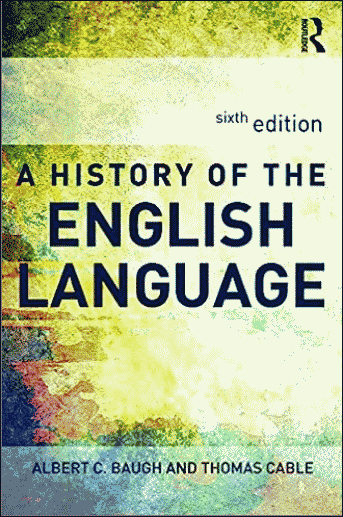
・ Baugh, Albert C. and Thomas Cable. A History of the English Language. 6th ed. London: Routledge, 2013.
2026-07-06 Mon
■ #6279. B&C の第64節 "Influence of The Benedictine Reform on English" (2) --- Taku さんとの超精読会 [bchel][oe][benedictine_reform][christianity][lexicology][borrowing][latin][loan_word][link][voicy][heldio][anglo-saxon][history][helmate][helwa]
前回の関連記事 ([2026-06-19-1]) に引き続き,Voicy heldio の収録会の形をとりながら,英語史の名著,Baugh and Cable のテキスト(第6版)を,helwa の志高き仲間たちとともに徹底的に精読していく会の記録をお届けします.この熱気あふれる読書会の音声をそのままお届けする heldio 配信シリーズは,コアなリスナーの皆さんの応援に支えられて,ゆっくりとではありますが順調に進んでいます.
今朝配信の heldio 最新回では,引き続き第64節の精読を進めています.本日のブログ記事はこの音声配信とリンクした内容となります.今回も,helwa/heldio のコミュニティを熱く盛り上げてくださっているヘルメイトであり,コアリスナーの Taku さんこと金田拓さん(帝京科学大学)に,精読をリードしていただきました.
前回の heldio 配信「#1846. 英語史の古典的名著 Baugh and Cable を読む (64-1) with Taku さん --- helwa 北千住オフ会より」では,ベネディクト改革がもたらした宗教関係のラテン借用語に焦点を当てました.今回はさらにその外側に広がる書物的・学術的な語彙へと突入します.古英語期の借用語といえば,キリスト教伝来に伴う初期の日常的・一般的なラテン借用語が想起されますが,ベネディクト改革期にラテン語から流入した語彙の性質はそれらとは一線を画しています.きわめて学術的な専門用語が目立つようになるのです.今回の精読のターゲットとなった英文を以下に掲げます (p. 85) .植物名や医学用語,動物の名称など,当時の知識階級が本を通じて導入した語彙の数々を味わいました.
But we miss the group of words relating to everyday life characteristic of the earlier period. Literary and learned words predominate. Of the former kind are accent, brief (the verb), decline (as a term of grammar), history, paper, pumice, quatern (a quire or gathering of leaves in a book), and term(inus), title. A great number of plant names are recorded in this period. Many of them are familiar only to readers of old herbals. Some of the better known include celandine, centaury, coriander, cucumber, ginger, hellebore, lovage, periwinkle, petersili (parsley), and verbena.9 A few names of trees might be added, such as cedar, cypress, fig, laurel, and magdala (almond).10 Medical terms, like cancer, circulādl (shingles), paralysis, scrofula, plaster, and words relating to the animal kingdom, like aspide (viper), camel, lamprey, scorpion, and tiger, belong apparently to the same category of learned and literary borrowings.
9 A number of interesting words of this class have not survived in modern usage, such as aprotane (wormwood), armelu (wild rue), caric (dry fig), elehtre (lupin), mānrūfie (horehound), nepte (catnip), pollegie (pennyroyal), and hymele (hop-plant).
10 Most of these words were apparently bookish at this time and had to be reintroduced later from French.
この B&C 超精読シリーズの過去の足跡については,すべてアーカイヴに網羅されており,いつでもバックナンバーにアクセス可能です.各回へのナビゲーションは,「#5291. heldio の「英語史の古典的名著 Baugh and Cable を読む」シリーズが順調に進んでいます」 ([2023-10-22-1]) をご覧ください.この超精読シリーズを通じて知的好奇心をくすぐられた方は,ぜひ本書をお手元にご用意の上,この音声を道しるべに精読体験を味わっていただければ幸いです.さらに,「ただ聴くだけでなく,自分も対面やオンラインの現場に飛び込んでリアルタイムに議論の輪に加わりたい!」という熱量をお持ちの方は,ぜひ Voicy のプレミアムリスナー限定配信チャンネルである「英語史の輪 (helwa)」へのご参加をご検討ください.月額800円,初月無料のサブスクです.
・ Baugh, Albert C. and Thomas Cable. A History of the English Language. 6th ed. London: Routledge, 2013.
2026-06-19 Fri
■ #6262. B&C の第64節 "Influence of The Benedictine Reform on English" (1) --- Taku さんとの超精読会 [bchel][oe][benedictine_reform][christianity][lexicology][borrowing][latin][loan_word][link][voicy][heldio][anglo-saxon][history][helmate]
昨日に引き続き,英語史の名著,Baugh and Cable のテキスト(第6版)を,helwa の志高き仲間たちと徹底的に腑に落としていく「超精読会」の記録です.この熱気あふれる現場の音声をそのままお届けする Voicy heldio の配信シリーズも,おかげさまで息長く続いています.
今朝配信の heldio 最新回では,新しい節の冒頭を精読する回をお届けしています.「#1846. 英語史の古典的名著 Baugh and Cable を読む (64-1) with Taku さん --- helwa 北千住オフ会より」 です.本日のブログ記事はこの最新音源と密接にリンクした誌上実況中継となります.
今回も,helwa/heldio のコミュニティを熱く盛り上げてくださっている重要ヘルメイトであり,コアリスナーの Taku さんことhttps://www.ntu.ac.jp/research/kyoin/kodomo/gakoukyouiku/kaneta_t.html">金田拓さん(帝京科学大学)に,水先案内人として精読をリードしていただきました.
さて,今回からはいよいよ "Influence of The Benedictine Reform on English" と題された新セクションへ突入します.前回まで追ってきた「ベネディクト改革」という歴史的うねりが,実際の英語の語彙にどのような変化をもたらしたのか,具体的な借用語 (loan_word) のリストとともに検証していくことになります.今回の精読のターゲットとなった英文を以下に掲げます(Baugh and Cable, pp. 84--85).第64節の冒頭から,およそ30分弱をかけて計6文の細部を解剖していきました.
The influence of Latin upon the English language rose and fell with the fortunes of the church and the state of learning so intimately connected with it. As a result of the renewed literary activity just described, a new series of Latin importations took place. These differed somewhat from the earlier Christian borrowings in being words of a less popular kind and expressing more often ideas of a scientific and learned character. They are especially frequent in the works of Ælfric and reflect not only the theological and pedagogical nature of his writings but also his classical tastes and attainments. His literary activity and his vocabulary are equally representative of the movement. As in the earlier Christian borrowings, a considerable number of words have to do with religious matters: alb, Antichrist, antiphoner, apostle, canticle, cantor, cell, chrism, cloister, collect, creed, dalmatic, demon, dirge, font, idol, nocturn, prime, prophet, sabbath, synagogue, troper.
この B&C 超精読シリーズの過去の足跡については,すべてアーカイヴに網羅されており,いつでもバックナンバーにアクセス可能です.各回へのナビゲーションは,「#5291. heldio の「英語史の古典的名著 Baugh and Cable を読む」シリーズが順調に進んでいます」 ([2023-10-22-1]) をハブとしてご利用ください.英語史のロマンに知的好奇心をくすぐられた方は,ぜひ本書をお手元にご用意の上,この音声を道しるべに深い読書体験を味わっていただければ幸いです.さらに,「ただ聴くだけでなく,自分も対面やオンラインの現場に飛び込んでリアルタイムに議論の輪に加わりたい!」という熱量をお持ちの方は,ぜひ Voicy のプレミアムリスナー限定配信チャンネルである「英語史の輪 (helwa)」へのご参加をご検討ください.知的なお祭りをともに楽しめる仲間を,いつでもお待ちしております.
・ Baugh, Albert C. and Thomas Cable. A History of the English Language. 6th ed. London: Routledge, 2013.
2026-06-18 Thu
■ #6261. B&C の第63節 "The Benedictine Reform" (7) --- Taku さんとの超精読会 [bchel][oe][benedictine_reform][christianity][link][voicy][heldio][anglo-saxon][history][helmate]
英語史を学ぶ者にとってのバイブルとも言える Baugh and Cable の名著(第6版)を,helwa の志高きメンバーとともに1文ずつ(いな,1語ずつ)じっくりと読み解いていく「超精読会」を,半定期的なペースで重ねています.この濃密な読書会の空気感をそのままお届けする Voicy heldio の音声配信シリーズも,気づけば継続中です.開始から3年近くが経過しましたが,歩みは着実に進んでおり,現在は第63節の後半戦に突入しています.
今朝の heldio にて,その最新の配信回を公開いたしました.「#1845. 英語史の古典的名著 Baugh and Cable を読む (63-7) with Taku さん --- helwa 北千住オフ会より」です.本日のブログ記事はこの音声配信とがっちり連動する形でのアップデートとなります.
今回も,heldio/helwa コミュニティを牽引するヘルメイトでありコアリスナーの Taku さんこと金田拓さん(帝京科学大学)に,ナビゲーターとして精読を力強くリードしていただきました.現場に集まった数名のギャラリーとともに,テキストの奥底に潜む歴史的背景を掘り起こすような,いつもながらのディープな読みを堪能する時間となりました.
今回の読書会でターゲットとした英文を以下に提示します(Baugh and Cable, pp. 83--84) .第63節の幕引きに近い箇所から,およそ40分もの時間をかけて計6文を緻密に読み解いていきました.10世紀後半のベネディクト改革の英語史上の意義を堪能してください!
One of the objects of special concern in this work of rehabilitation was the improvement of education---the establishment of schools and the encouragement of learning among the monks and the clergy. The results were distinctly gratifying. By the close of the century the monasteries were once more centers of literary activity. Works in English for the popularizing of knowledge were prepared by men who thus continued the example of King Alfred, and manuscripts both in Latin and the vernacular were copied and preserved. It is significant that the four great codices in which the bulk of Old English poetry is preserved date from this period. We doubtless owe their existence to the reform movement.
この B&C 読書会のこれまでの軌跡については,すべてアーカイヴ化されており,いつでも過去回へアクセスが可能です.各配信回へのナビゲーションリンクは,過去の記事「#5291. heldio の「英語史の古典的名著 Baugh and Cable を読む」シリーズが順調に進んでいます」 ([2023-10-22-1]) にまとまっていますので,ぜひそちらをご参照ください.知的好奇心を刺激された方は,ぜひご自身でも本書を入手され,この超精読会の音声をガイドブック代わりにお聴きいただければ幸いです.また「聴くだけでなく,対面やオンラインの現場でリアルタイムに議論に加わりたい!」という熱意をお持ちの方は,ぜひ Voicy のプレミアムリスナー限定配信チャンネルである「英語史の輪 (helwa)」の門を叩いてみてください.皆さんのご参加を心よりお待ちしております.
・ Baugh, Albert C. and Thomas Cable. A History of the English Language. 6th ed. London: Routledge, 2013.
2026-04-30 Thu
■ #6212. B&C の第63節 "The Benedictine Reform" (5) と (6) --- Taku さんとの超精読会 [bchel][oe][benedictine_reform][christianity][link][voicy][heldio][anglo-saxon][history][helmate]
英語史の古典的名著 Baugh and Cable の第6版の英文を,helwa メンバーとともにゆっくりと超精読していく読書会を半定期的に開催しています.その毎回の読書会の様子を,Voicy heldio の音声メディアを通じて公開するシリーズを継続中です.2023年7月に開始してから3年弱が経ちましたが,第63節まで進んできています.
今朝の heldio にて,シリーズ最新回を配信しています.「#1796. 英語史の古典的名著 Baugh and Cable を読む (63-5) with Taku さん --- helwa 北千住オフ会より」です.明朝の heldio では,その続編となる「#1797. 英語史の古典的名著 Baugh and Cable を読む (63-6) with Taku さん --- helwa 北千住オフ会より」も配信予定ですので,合わせて2本に連動する形で本記事を公開します.
今回も,heldio/helwa コアリスナーでヘルメイトの Taku さんこと金田拓さん(帝京科学大学)に精読会をリードしていただきました.いつもありがとうございます.数名のギャラリーとともに,いつもながらの深い読みを堪能することができました.
今回の精読対象の英文を以下に掲載します(Baugh and Cable, pp. 83--84) .B&C の第63節の第2段落の最初から,計1時間ほどかけて15文を読み進めました.
But abuses when bad enough have a way of bringing about their own reformation. What is needed generally is an individual with the zeal to lead the way and the ability to set an example that inspires imitation. King Alfred had made a start. Besides restoring churches and founding monasteries, he strove for twenty years to spread education in his kingdom and foster learning. His efforts bore little fruit. But in the latter half of the tenth century, three great religious leaders, imbued with the spirit of reform, arose in the church: Dunstan, archbishop of Canterbury (d. 988), Athelwold, bishop of Winchester (d. 984), and Oswald, bishop of Worcester and archbishop of York (d. 992). With the sympathetic support of King Edgar these men effected a genuine revival of monasticism in England. The true conception of the monastic life was inseparable from the observance of the Benedictine Rule. Almost everywhere in England this had ceased to be adhered to. As the first step in the reform, the secular clergy were turned out of the monasteries and their places filled by monks pledged to the threefold vow of chastity, obedience, and poverty. In their work of restoration the reformers received powerful support from the example of continental monasteries, notably those at Fleury and Ghent. These had recently undergone a similar reformation under the inspiring leadership of Cluny, where in 910 a community had been established on even stricter lines than those originally laid down by St. Benedict. Dunstan had spent some time at the Abbey of Blandinium at Ghent; Oswald had studied the system at Fleury; and Athelwold, although wanting to go himself, had sent a representative to Fleury for the same purpose. On the pattern of these continental houses a number of important monasteries were re-created in England, and Athelwold prepared a version of the Benedictine Rule, known as the Concordia Regularis, to bring about a general uniformity in their organization and observances. The effort toward reform extended to other divisions of the church, indeed to a general reformation of morals, and brought about something like a religious revival in the island.
このB&C読書会の過去回については,すべてアーカイヴからアクセスできます.各回へのリンクは「#5291. heldio の「英語史の古典的名著 Baugh and Cable を読む」シリーズが順調に進んでいます」 ([2023-10-22-1]) をご覧ください.ご関心のある方は,ぜひ本書を入手して,この精読会の配信回をお聴きいただければ.また,精読会に対面・オンラインで直接参加されたい方は,ぜひ Voicy のプレミアムリスナー限定配信チャンネル 「英語史の輪 (helwa)」にお入りください.
・ Baugh, Albert C. and Thomas Cable. A History of the English Language. 6th ed. London: Routledge, 2013.
2026-04-14 Tue
■ #6196. B&C の第63節 "The Benedictine Reform" (4) --- Taku さんとの超精読会 [bchel][oe][benedictine_reform][christianity][link][voicy][heldio][anglo-saxon][history][helmate]
英語史の古典的名著 Baugh and Cable の第6版の英文を,Voicy heldio という音声メディアを利用して,超精読していくシリーズです.
今朝の heldio にて,10日前にお届けした回の続編を配信しました.「#1780. 英語史の古典的名著 Baugh and Cable を読む (63-4) with Taku さん --- helwa 北千住オフ会より」です.お読みいただいている hellog 記事は,この音声配信と連動した記事となっています.
今回も,ヘルメイトの Taku さんこと金田拓さん(帝京科学大学)に精読会をリードしていただきました.いつもありがとうございます.久しぶりに,対面でのライヴ感あふれる読書会となっていますので,楽しくお聴きいただけるかと思います.ノリに乗って長く収録することになったので,heldio でも前半・後半の2回に分けてお届けしています.今回は後半となります.
今回の精読対象の英文を掲載しましょう(Baugh and Cable, p. 83) .B&C の第63節の途中の3文のみですが,じっくりと精読しています.
So few were there that I cannot remember a single one south of the Thames when I came to the kingship." A century later, Ælfric, abbot of Eynsham, echoed the same sentiment when he said, "Until Dunstan and Athelwold revived learning in the monastic life no English priest could either write a letter in Latin, or understand one." It is hardly likely, therefore, that many Latin words were added to the English language during these years when religion and learning were both at such a low ebb.
古英語原文からの現代語訳引用があり,少々読みにくい箇所ですが,いかに巧みに本文に組み込まれているかを精読によって味わえる箇所となります.また,超精読のためには背後にある原文(今回の場合には古英語原文)を意識することの大切さも感じられると思います.今回もたいへん実りのある読書会となりました.
このB&C読書会の過去回については,すべてアーカイヴからアクセスできます.「#5291. heldio の「英語史の古典的名著 Baugh and Cable を読む」シリーズが順調に進んでいます」 ([2023-10-22-1]) をご覧いただければ.
・ Baugh, Albert C. and Thomas Cable. A History of the English Language. 6th ed. London: Routledge, 2013.
2026-04-04 Sat
■ #6186. B&C の第63節 "The Benedictine Reform" (3) --- Taku さんとの超精読会 [bchel][oe][benedictine_reform][christianity][link][voicy][heldio][anglo-saxon][history][helmate]
英語史の古典的名著である Baugh and Cable の第6版の英文を,Voicy heldio という音声メディアを利用して,「超」のつく精読でじっくりと解釈していく長期的な企画です.久しぶりの最新回となります.初回の配信は2023年7月17日だったので,かれこれ3年弱も続けていることになります.第63節に入っていますが,時代的にはまだまだ古英語期です.
最新回は,今朝の Voicy heldio にて「#1770. 英語史の古典的名著 Baugh and Cable を読む (63-3) with Taku さん --- helwa 北千住オフ会より」としてお届けしています.この hellog 記事も,heldio 配信と連動しています.
いつものようにヘルメイトの Taku さんこと金田拓さん(帝京科学大学)とともに精読を進めています.今回も古英語の原文を現代語に翻訳しながら引用している箇所が続いているため,「裏読み」を楽しめる部分となっています.以下に,今回の精読対象の英文を掲載します(Baugh and Cable, p. 83) .
By the time of Alfred, things had reached such a pass that he looked upon the past as a golden age which had gone, "when the Kings who ruled obeyed God and His evangelists," and when "the religious orders were earnest about doctrine, and learning, and all the services they owed to God"; and he lamented that the decay of learning was so great at the beginning of his reign "that there were very few on this side of the Humber who could understand their rituals in English, or translate a letter from Latin into English, and I believe not many beyond the Humber.
今回も前回に引き続き,背後にある古英語原文を予想しながら読み進めました.Taku さんも,この点を強く意識して解釈されていました.精読に伴走していただいている方も,見え隠れする古英語原文に関心をもたれるのではないかと思われます.
配信内でも触れられているように,この背後にある古英語テキストを読む回なども,近いうちに配信したいと思っています.B&Cの精読のためには,寄り道であり回り道になりますが,そのような読み方こそ真の精読です.同じ heldio では『古英語・中英語初歩〈新装復刊〉』での古英語講座シリーズも展開していますので,そちらも追いかけていただいている方には,問題の古英語原文も必ず読み解くことができます.それによってB&Cの精読の味わいが何倍も深くなることを保証します.ぜひお付き合いいただければ.
さて,このB&C読書会の過去回は,(初期のものは有料配信となっていますが)すべてアーカイヴからアクセスできます.「#5291. heldio の「英語史の古典的名著 Baugh and Cable を読む」シリーズが順調に進んでいます」 ([2023-10-22-1]) をご覧ください.
・ Baugh, Albert C. and Thomas Cable. A History of the English Language. 6th ed. London: Routledge, 2013.
2025-12-28 Sun
■ #6089. B&C の第63節 "The Benedictine Reform" (2) --- Taku さんとの超精読会 [bchel][oe][benedictine_reform][christianity][link][voicy][heldio][anglo-saxon][history][helmate]
今朝の Voicy heldio にて「#1673. 英語史の古典的名著 Baugh and Cable を読む (63-2) with Taku さん --- helwa 忘年会より」をお届けしました.本ブログでも3日前にご案内した「#6086. B&C の第63節 "The Benedictine Reform" (1) --- Taku さんとの超精読会」 ([2025-12-25-1]) の続編となります.
ヘルメイトの Taku さんこと金田拓さん(帝京科学大学)に,引き続き読書会をリードしていただきました(いつもありがとうございます).
では,今回の精読対象の英文を掲載しましょう(Baugh and Cable, p. 83) .決して長くないですが,とにかくじっくり精読しています.
Probably a less worthy type was drawn by these new conditions into the religious profession. We hear much complaint about immoderate feasting and drinking and vanity in dress. In the religious houses, discipline became lax, services were neglected, monasteries were occupied by groups of secular priests, many of them married; immorality was flagrant. The work of education was neglected, and learning decayed.
この数行の精読後,読書会にお立ち会いいただいた方々と,前回の精読箇所を含めてのディスカッションの時間があり,そちらも収録しています.解釈がおおいに深まると思いますので,じっくりとお聴きいただければ.
B&C読書会の過去回については,すべてアーカイヴからアクセスできます.「#5291. heldio の「英語史の古典的名著 Baugh and Cable を読む」シリーズが順調に進んでいます」 ([2023-10-22-1]) をご覧ください.
・ Baugh, Albert C. and Thomas Cable. A History of the English Language. 6th ed. London: Routledge, 2013.
2025-12-25 Thu
■ #6086. B&C の第63節 "The Benedictine Reform" (1) --- Taku さんとの超精読会 [bchel][oe][benedictine_reform][christianity][link][voicy][heldio][anglo-saxon][history][helmate]
今朝の Voicy heldio にて「#1670. 英語史の古典的名著 Baugh and Cable を読む (63-1) with Taku さん --- helwa 忘年会より」をお届けしました.先週末に開催されたリモートでの helwa 忘年会にて,対談収録したものです.
今回も,ヘルメイトの Taku さんこと金田拓さん(帝京科学大学)に進行を担当していただき,B&C の第63節の最初の8文をじっくりと精読しています.話題は,10世紀末のイングランドにおける The Benedictine Reform (ベネディクト改革)です.今回の箇所は,その改革に至るまでの背景を描写しています.
では,今回の精読対象の英文を掲載しましょう(Baugh and Cable, p. 83) .
The flourishing state of the church that resulted in these significant additions to the English language unfortunately did not continue uninterrupted. One cause of the decline is to be attributed to the Danes, who at the end of the eighth century began their ravages upon the country. Lindisfarne was burnt in 793, and Jarrow, Bede's monastery, was plundered the following year. In the ninth century throughout Northumbria and Mercia, churches and monasteries lay everywhere in ruins. By the tenth century, the decline had affected the moral fiber of the church. It would seem as though once success had been attained and a reasonable degree of security, the clergy relaxed their efforts. Wealthy men had given land freely to religious foundations in the hope of laying up spiritual reserves for themselves against the life in the next world. Among the clergy poverty gave way to ease, and ease by a natural transition passed into luxury.
この続編の heldio 回も収録済みですので,近々に配信する予定です.B&C読書会の過去回については「#5291. heldio の「英語史の古典的名著 Baugh and Cable を読む」シリーズが順調に進んでいます」 ([2023-10-22-1]) をご覧ください.
・ Baugh, Albert C. and Thomas Cable. A History of the English Language. 6th ed. London: Routledge, 2013.
2010-02-23 Tue
■ #302. 古英語のフランス借用語 [french][loan_word][oe][benedictine_reform][i-mutation]
英語史でフランス借用語といえば,[2009-08-22-1]のグラフで明らかなとおり,12世紀後半以降,中英語の話題とみなされている.しかし,数こそ少ないが古英語期にもフランス語からの借用があったことは,フランス語の名誉(?)のためにも記憶しておいてよい.以下,Kastovsky (337--38) より.
prud, prut "proud"
sot "foolish" (but possibly from Vulgar Latin)
tur "tower" (but possibly from Vulgar Latin)
capun "capon"
tumbere "dancer" (from OF tomber "fall")
fræpgian "accuse" (from OF frapper)
servian "serve"
gingifer "ginger"
bacun "bacon"
arblast "weapon"
serfise "service"
prisun "prison"
castel "castle"
market "market"
cancelere "chancellor"
数こそ少ないが,現代英語でもなかなかに重要な語が含まれているではないか.これらの多くは11世紀後半に文献に現れており,古英語とはいってもその最末期の借用である.10世紀後半から11世紀にかけてイングランドに起こった修道院改革 ( the Benedictine Reform ) はフランスに範を取っており,ノルマン人の征服 ( the Norman Conquest ) を待たずともフランスとのコネクションはあった.また,エドワード懺悔王 ( Edward the Confessor ) はノルマン人を母にもち,ノルマンディで亡命生活を送った人物として,イングランドとフランスとのコネクションに貢献している.
このなかで,特に prud / prut "proud" は,古英語から派生語や合成語がみられる希有な例である: ex. prutlice "proudly", pryto / pryte "pride", prytscipe "proudship", prutness "proudness", oferprut "haughty", prutswongor "overburdened with pride", woruldpryde "worldly pride", oferprydo "excessive pride".名詞形 pryto で母音が変化していることから,この語群が英語で使われ始めた10世紀末くらいにはまだ i-mutation が作用していたことが推測され,音変化の歴史においても重要な意味をもつ.
古英語のフランス借用語はあまりに少なく目立たないため,英語史の概説書でもほとんど扱われることがないので,今回の記事で取り上げた次第.とがんばってみても,マイナー感は否めない・・・.
・ Kastovsky, Dieter. "Semantics and Vocabulary." The Cambridge History of the English Language. Vol. 1. Ed. Richard M. Hogg. Cambridge: CUP, 1992. 290--408.
Powered by WinChalow1.0rc4 based on chalow