Baugh and Cable の名著 A History of the English Language, 6th ed. を,helwa の Taku さんこと金田拓さん(帝京科学大学)さんとともに1文(いな1語)ずつ読み進めていく「超」精読会.「#1939. 英語史の古典的名著 Baugh and Cable を読む (65-5) with Taku さん --- helwa 北千住オフ会より」です.
前回は「洗礼」「聖餐」「捧げ物」といった単語が,借用語に頼らず本来語の意味拡張によって表現されていたことを見ました.今回はその射程がさらに広がります.対象は「聖典」「福音」「三位一体」,そして神・キリスト・聖霊そのものを指す語彙です.Scriptures に対応する gewritu,evangelium に対応する godspell,Trinity に対応する þrines(3性).神という概念だけでも,scieppend(形づくる者),fruma(創始者),metod(測る者)という複数の本来語が並行して用いられていました.さらに fæder, dryhten, wealdend, þēoden, weard, hlæford といった,父・君主・支配者・守護者を意味する語群までもが,神やキリストを指す同義語として重ねて用いられています.
興味深いのは,godspell が現代英語に gospel としてそのまま生き残っている一方,gewritu は廃れ,ラテン系の Scripture(s) にその座を譲ったことです.同じように古英語において本来語で置き換えられた語彙のなかにも,その後の歴史を通じて生き残ってきたものと消えていったものがあります.この明暗にこそ,英語史の醍醐味が宿っています.今回精読した英文を以下に掲げます (Baugh and Cable, p. 86) .
The term Scriptures found its exact equivalent in the English word gewritu, and ēvangelium was rendered by godspell, originally meaning good tidings. Trinity (L. trinitas) was translated þrines (three-ness), the idea of God the Creator was expressed by scieppend (one who shapes or forms), fruma (creator, founder), or metod (measurer). Native words like fæder (father), dryhten (prince), wealdend (ruler), þēoden (prince), weard (ward, protector), and hlāford (lord) are frequent synonyms. Most of them are also applied to Christ, originally a Greek word and the most usual name for the Second Person of the Trinity, but Hǣlend (Savior) is also commonly employed. The Third Person (Spiritus Sanctus) was translated Hālig Gāst (Holy Ghost).
「対面/オンラインで議論に参加してみたい」という方は,ぜひ Voicy のプレミアムリスナー限定配信チャンネル「英語史の輪 (helwa)」の門を叩いてみてください.古英語話者たちの豊かな言語感覚を,皆さんもぜひ一緒に味わってみませんか.過去回は「#5291. heldio の「英語史の古典的名著 Baugh and Cable を読む」シリーズが順調に進んでいます」 ([2023-10-22-1]) にまとまっています.
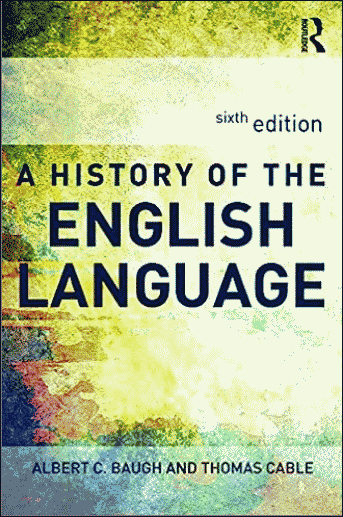
・ Baugh, Albert C. and Thomas Cable. A History of the English Language. 6th ed. London: Routledge, 2013.